
You’ve probably tried Upwork.
Maybe you got buried in proposals. Maybe you paid $8/hour for work that felt like $3/hour quality. Maybe you spent two weeks interviewing people only to have your top choice ghost you after the first project.
Upwork works for some things. Quick graphic design gigs. One-off copywriting projects. Testing the freelance waters.
But if you’re trying to build an actual team with Filipino remote workers who show up every day and grow with your business, Upwork usually isn’t the answer.
Quick comparison:
- Marketplace (Upwork) — High fees, global talent pool, best for one-off tasks
- Direct-hire platform (OnlineJobs.ph, HireTalent.ph) — Lower cost, Filipino-specific, better for building long-term teams
- Agency (Cyberbacker, 20Four7VA, Pearl Talent) — Highest cost, fully managed, best when your time is the constraint
Best Upwork Alternatives for Hiring Filipino Remote Workers
OnlineJobs.ph
OnlineJobs.ph is Filipino workers only. You pay a flat employer subscription. Workers keep 100% of what you pay them — no platform cut coming out of their rate.
That makes your offer more attractive at the same dollar amount compared to Upwork. But it’s not perfect.
The subscription feels expensive if you’re only hiring one person. You’re paying monthly whether you’re actively recruiting or not. And it’s a job board, not a hiring system.
You write the post, screen applications, interview, onboard, manage, and handle payroll through separate services. All the work is still yours.
Lowball offers are also a real problem. You’ll still see posts offering $200/month for “experienced executive assistants.” You need to pay fair rates to attract actual talent regardless of which platform you use.
HireTalent.ph
This is where things get more interesting if you’re building a team rather than filling one seat.
HireTalent.ph sits in the gap between basic job boards and expensive agencies. The hiring process comes with tools most platforms don’t have.
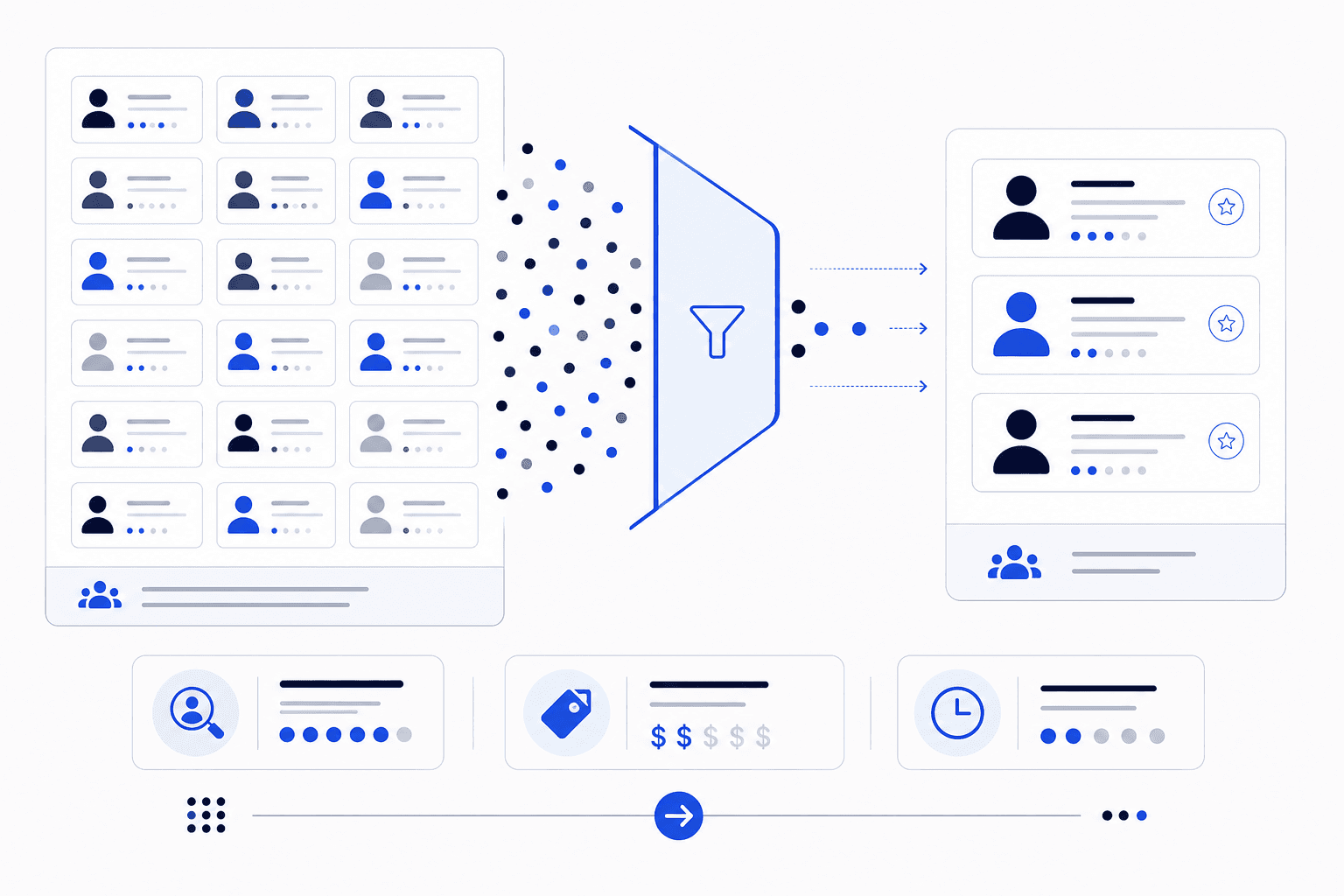
AI analysis ranks applicants across job match, retention risk, and experience level — and flags potential problems before you waste time interviewing.
There’s also a points system where workers spend points to apply. When someone spends more points on your role, it signals genuine interest, not just spray-and-pray applications.
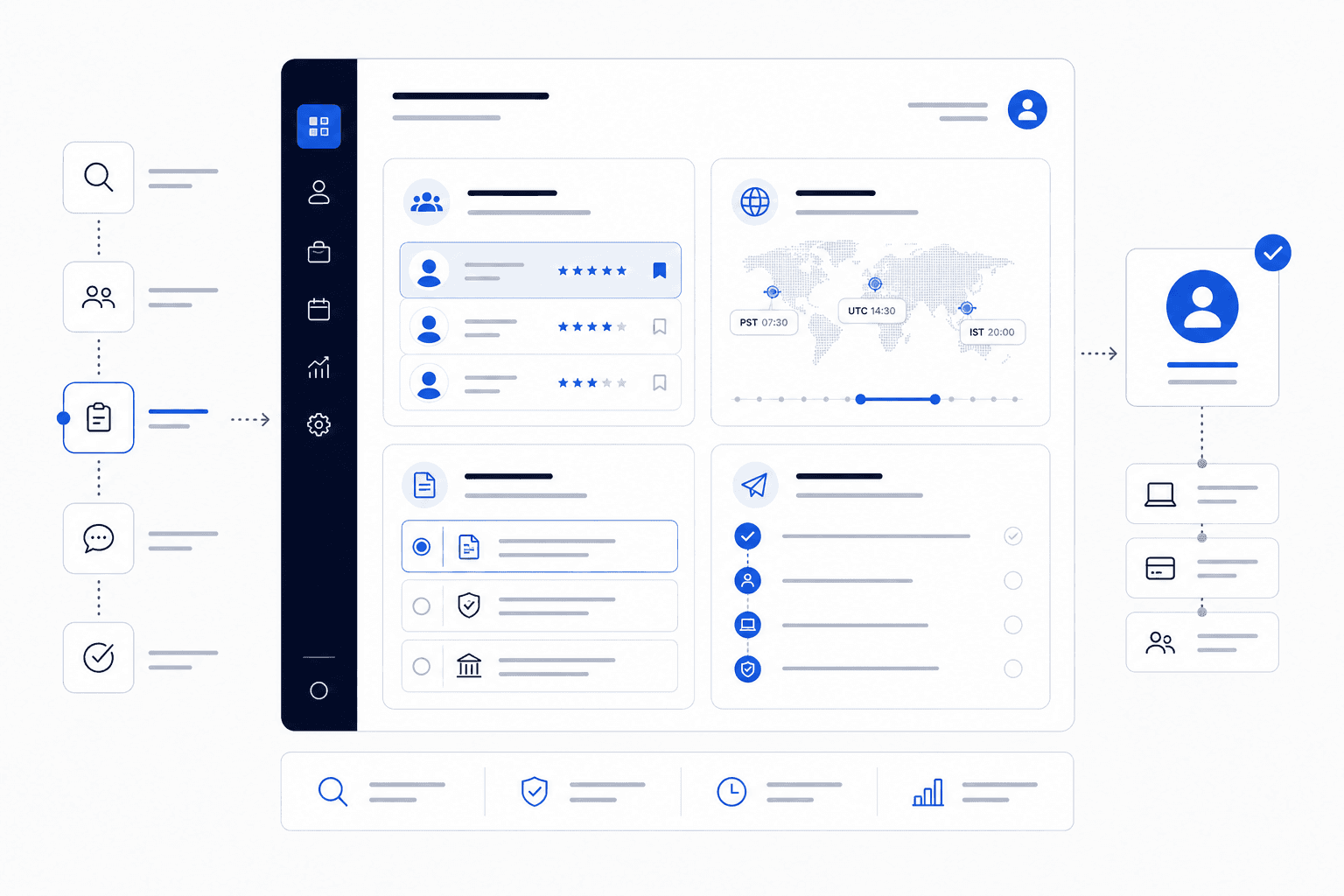
Trial tasks are built in. You can create paid or unpaid tasks, assign them to specific applicants, review submissions, and track payment if it’s a paid task — without cobbling together Google Forms and separate payment tools.
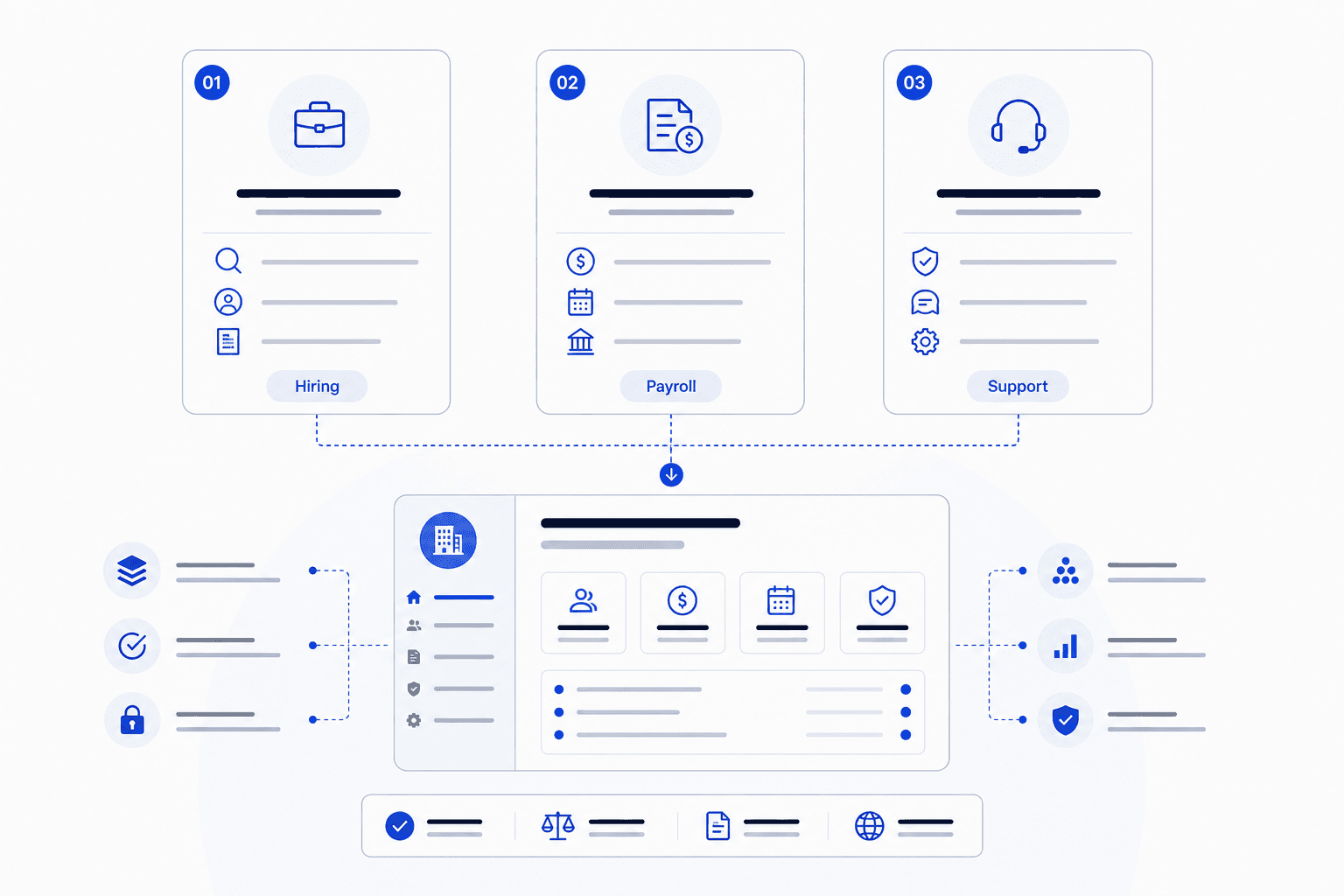
Once hired, team management connects to ManagePH — clock-in/out records, time-off requests, invoice approvals, and daily recaps all in one place.
If you’ve never hired a Filipino remote worker before and want a clear walkthrough of the process, this beginner’s guide to hiring covers what to expect from first post to first hire.
Agencies
Sometimes you just want someone else to handle it.
Filipino VA agencies like Cyberbacker, 20Four7VA, and Pearl Talent do the entire thing — recruit, vet, train, manage.
If your person isn’t working out, the agency handles replacement. If there’s a performance issue, you have a point of contact beyond the worker themselves.
But you pay for this. Agency rates are significantly higher than direct-hire salaries.
Agencies make sense when your time is expensive and reliability matters more than rate. They’re the wrong choice if you’re bootstrapped and willing to do the hiring work yourself.
For a direct comparison of the two models, this breakdown of agency vs direct hire lays out the tradeoffs clearly.
Upwork vs Direct Hiring: What Employers Actually Save
Upwork charges a service fee on top of whatever you pay the worker. The worker also pays a fee on their end. That means a meaningful portion of every dollar you spend doesn’t reach the person doing the work.
Direct-hire platforms flip this. You pay a flat subscription or per-post fee. Workers keep everything you pay them.
That changes the math in two ways: your effective cost per hour of quality work goes down, and your offer is more competitive to better candidates at the same stated rate.
The other thing direct hiring changes is the relationship. On Upwork, workers know they can find another client in 48 hours. On a direct-hire platform, especially one built around the Philippines specifically, you’re building something closer to a real employment relationship — which is usually what you actually want if you’re building a team.
Best Upwork Alternatives by Hiring Need
- You need one task done fast, no ongoing relationship → Upwork still works fine for this
- You want to hire one or two people and do all the work yourself → HireTalent.ph
- You’re building a team and want hiring and management tools in one place → HireTalent.ph
- You’re time-poor and want someone else to handle the whole thing → Agency
- You’ve never hired remotely and don’t know where to start → Start here
When to Use a Marketplace vs a Direct-Hire Platform
Marketplaces like Upwork are designed for transactional work. The platform sits between you and the worker, takes a cut, and provides dispute resolution for short-term gigs.
That model works well when you don’t want a long-term relationship and you’re okay paying a premium for the flexibility.
Direct-hire platforms are designed for ongoing relationships. You’re finding someone, contracting them directly, and building a working relationship without the platform as an intermediary.
That’s more work upfront — but it’s also how most successful remote teams actually get built.
When HireTalent.ph Makes More Sense Than Upwork
Upwork makes sense for quick, contained, one-off work where you don’t need to vet deeply or manage long-term.
HireTalent.ph makes more sense when:
- You’re hiring someone for an ongoing role, not a project
- You want to run trial tasks before committing to a hire
- You want AI-assisted applicant screening instead of reading 80 cover letters
- You need payment, time tracking, and team management without juggling separate tools
- You want workers who are profile-reviewed, not just self-reported profiles
For more context on why the Philippines specifically produces such strong remote talent, this overview is worth reading before you start building your team.
How to Choose the Right Upwork Alternative for Filipino Hiring
The platform is the least important variable. Here’s what actually determines whether remote hiring works:
Run paid trial tasks before you commit. Don’t pick a winner from resumes. Hire 3–5 people for one to two hours of the actual work you need done. This costs you maybe $50 total and eliminates most of your hiring risk.
Build SOPs before you hire. The most common complaint from Filipino remote workers is vague instructions. Document your processes, record short videos walking through recurring tasks, and give people something concrete to follow. Filipino workers excel at well-documented workflows.
Start with low-risk tasks. Don’t give a new hire access to your critical systems on day three. Start with admin, research, or templated customer support. Expand responsibility as trust builds over weeks.
Treat them like actual team members. Regular check-ins, real feedback, opportunities to grow, fair pay for the market. The employers with the best Filipino remote teams aren’t paying the least — they’re paying fairly and treating people with respect.
The alternative to Upwork isn’t really another website. It’s a better approach to how you hire and work with people. Do that consistently and you’ll succeed on almost any platform.
FAQ
What is a good alternative to Upwork?
For hiring Filipino remote workers specifically, the two main direct-hire alternatives are OnlineJobs.ph and HireTalent.ph. Both let workers keep 100% of what you pay them, with no platform fee cutting into their rate. OnlineJobs.ph is a straightforward job board. HireTalent.ph includes AI applicant screening, built-in trial tasks, Wise payment integration, and team management tools.
What is the best free job posting site in the Philippines?
Most dedicated Philippine hiring platforms charge either a subscription fee or a per-post fee to access full applicant data. Completely free options exist but typically limit how much employer-applicant contact you can have. OnlineJobs.ph and HireTalent.ph both have paid employer tiers.
Which agency has no placement fees in the Philippines?
Most reputable Filipino VA agencies charge either a placement fee or build their margin into the ongoing hourly rate. Agencies with no placement fees often make up the difference in monthly management fees or higher hourly markups.
Does Upwork work in the Philippines?
Yes, Filipino workers are active on Upwork and make up a significant portion of the platform. The question is whether Upwork works well for employers trying to hire them. For one-off projects it can. For building ongoing remote teams, most employers find the platform fees, global competition for talent, and lack of Philippines-specific tools make direct-hire platforms a better fit.